
Ceramic Coating · By Brock Timperley
Is Ceramic Coating Worth It? An Honest Take for NZ Drivers
Ceramic coating is one of those products that sounds almost too good when you read the marketing. Self-cleaning paint, mirror gloss, years of protection. So it is fair to be sceptical and ask whether it actually earns its price, or whether it is just a clever upsell on a bottle of liquid.
We coat cars every week, and we would rather tell you straight than oversell it. Ceramic coating is genuinely worth it for a lot of drivers, but not all of them, and it does not do everything people think it does. Once you know what it really delivers, the decision gets easy.
Here is the honest short version. Ceramic coating is worth it if you want your car to look sharper, stay cleaner and need less effort to maintain, and you plan to keep it for a few years. It adds gloss, makes washing far easier, and protects paint from UV fade and contamination. It is not worth it if you expect it to stop stone chips or scratches, or if you are selling the car soon. It is a finish and protection product, not armour.
Below we cover what ceramic coating actually does, the downsides nobody mentions, and exactly which drivers get their money’s worth.
What Ceramic Coating Actually Does
Before you can judge the value, you need to know what you are really buying. A ceramic coating is a liquid that bonds to your clear coat and cures into a hard, glossy, water-repellent layer. It is not a wax and it does not wash off after a few months.
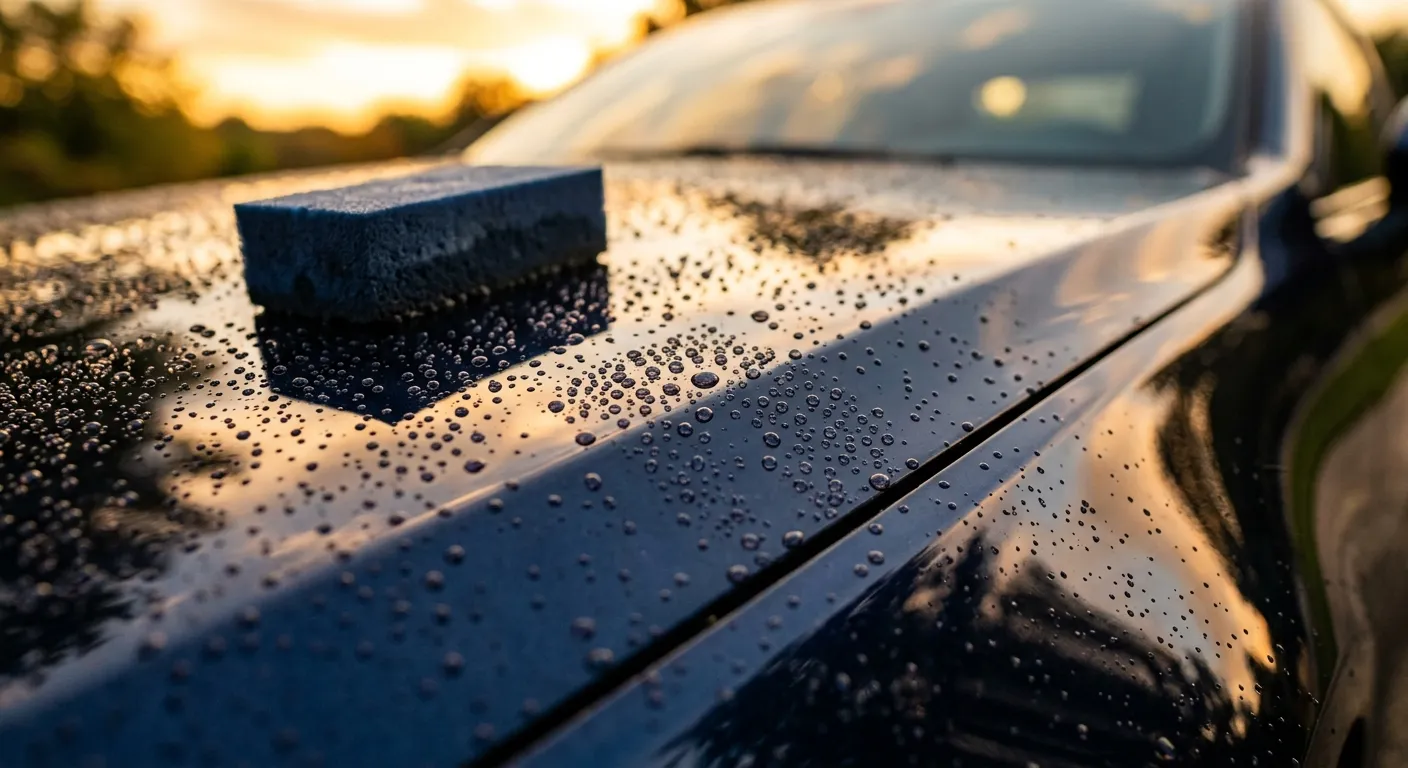
The most noticeable day-to-day benefit is how easy the car is to clean. The coating is hydrophobic, so water beads up and rolls off, taking dirt with it. Mud, dust and grime struggle to grip the surface, so a wash takes less time and less scrubbing.
The second benefit is gloss. A good coating adds real depth and shine to the paint, making colours look richer and the surface look slicker. On a dark car especially, the difference is striking.
The third is protection that actually lasts. The coating shields your paint from UV fade, bird droppings, tree sap, road grime and light chemical staining. Under New Zealand’s strong sun, that UV protection matters, because it is the sun that dulls and fades unprotected paint over the years.
The Honest Disadvantages Nobody Mentions
Now the part the sales pages skip. Ceramic coating has real limitations, and pretending it does not is how people end up disappointed. We would rather you knew the downsides up front.
The first is cost. A quality professional coating is a genuine spend, more than a wax or a polish, because it involves proper paint preparation and a durable product. If you do not care how your car looks or never wash it, you will not get your money’s worth.
The second is the big one: a ceramic coating does not stop stone chips, and it does not make your paint scratch-proof. It adds scratch resistance against light marring from washing, but a flying stone on the motorway will still chip the paint underneath. Any marketing that suggests otherwise is overselling.
The third is prep dependency. A coating only performs if the paint is properly corrected and decontaminated first. Slap a coating over swirls and scratches and you simply lock those flaws in under a glossy layer. This is why a cheap, rushed coating job is worse value than no coating at all.
The fourth is upkeep. A coating makes maintenance easier, but it is not no-maintenance. You still need to hand wash with the right products to keep it performing. Neglect it or attack it with harsh chemicals and the benefits fade faster.
Ceramic Coating vs Wax vs PPF
To judge whether a coating is worth it, it helps to see where it sits against the alternatives. Each option does a different job, and the right answer depends on what you are trying to achieve.
Wax is the cheapest and the shortest-lived. It gives a nice glow and some water beading, but it washes away in weeks to a couple of months and offers little real protection. It is fine for an enthusiast who enjoys regular detailing, but it is not a set-and-forget solution.
Ceramic coating is the step up. It lasts years instead of weeks, gives stronger gloss and far better protection against UV and contamination, and dramatically cuts your cleaning effort. For most people who want lasting shine and easy upkeep, it is the sweet spot.
Paint protection film is a different tool again. It is a thick, physical film that absorbs stone chips and scratches, which a coating cannot do. It costs more and is usually applied to high-impact areas like the bonnet and bumper. We break the two down in detail in our PPF vs ceramic coating guide.
The smartest setup for many owners is both. Put paint protection film on the front of the car for genuine impact protection, and a ceramic coating over the rest for gloss and easy cleaning. They complement each other rather than compete.
Who Actually Gets Their Money’s Worth
So who should spend the money? After coating a lot of cars, we see a clear pattern in who walks away genuinely glad they did it.
You are keeping the car for a few years. A coating’s value builds over time through years of easier washing and protected paint. If you are holding the car, you will get full use of it. If you are selling in a few months, the case is weaker.
You want it to look good with less effort. If you take pride in your car but do not want to spend every weekend detailing, a coating is exactly for you. It keeps the car looking sharp while cutting the work to keep it that way.
You have a new or freshly corrected car. A new car is the ideal time to coat, because the paint is in top condition and needs little correction first. Coating early locks in that factory finish from day one.
You park outside under the NZ sun. If your car lives outdoors, UV is constantly working on the paint. A coating is your best everyday defence against the fade and dullness that strong sun causes over the years.
If that sounds like you and your car, a quality ceramic coating is very likely worth it. If none of it does, you may be better off saving the money or looking at film instead.
The Bottom Line
Ceramic coating is worth it for the right driver and the wrong choice for the wrong one, and anyone telling you it is perfect for everyone is selling, not advising. For someone keeping a car a few years, who wants lasting gloss and far easier upkeep, and whose car sees plenty of sun, it pays its way comfortably. For a car you are about to sell, or if you expect it to stop stone chips, it is not the right product.
The honest answer always comes down to your specific car and how you use it. Tell us a bit about your vehicle and what you want out of it, and we will give you a straight recommendation, including when a coating is not the right call. You can see more on our ceramic coating page or browse recent work in the gallery.
Want to know if a coating is worth it for your car? Get a free, no-obligation quote here.
Frequently Asked Questions
Is ceramic coating worth the money?
For most drivers who want to keep a car looking sharp with less effort, yes. Ceramic coating makes washing far easier, adds real gloss, and protects paint from UV fade, bird mess and light marring for years. It is less worth it if you do not care how the car looks, plan to sell soon, or expect it to stop stone chips, which it does not. The value comes from easier upkeep and long-term paint protection, not magic.
What are the disadvantages of ceramic coating?
The main downsides are cost and expectation. A quality coating is a real spend, and it does not make paint scratch-proof or stone-chip-proof, despite what some marketing suggests. It also needs correct prep and ongoing hand washing to perform, so a coating applied over swirled paint or neglected afterwards will disappoint. Done right, on properly prepared paint, those downsides are easily managed.
How long does ceramic coating last?
A professionally applied coating typically lasts two to five years depending on the product, the prep and how the car is cared for. A garaged car that is hand washed will hold its coating and gloss far longer than one left outside in full sun and washed harshly. Cheaper spray-on coatings last months rather than years, which is the main difference in price.
Can you pressure wash a ceramic coated car?
Yes, and it is one of the benefits. A coated car sheds dirt and water easily, so a gentle pressure rinse removes most grime before you even touch it with a mitt. Use sensible pressure and distance, a clean wash mitt and a pH-neutral car shampoo, and avoid harsh chemicals or abrasive sponges that can dull any finish over time.
Is ceramic coating or PPF better?
They do different jobs, so the better choice depends on your goal. Ceramic coating is about gloss, easy cleaning and UV protection across the whole car at a lower cost. Paint protection film is a thick layer that physically absorbs stone chips and scratches on high-impact areas, at a higher cost. Many owners do both: PPF on the front for impact, ceramic over the rest for shine and easy upkeep.
Is ceramic coating worth it on a new car?
A new car is the ideal time to coat, because the paint is fresh and needs minimal correction before application. Coating it early locks in that factory finish, protects it from day-one UV and contamination, and keeps it looking new with far less work. If you are buying new and plan to keep the car a few years, coating it from the start is the best-value time to do it.